
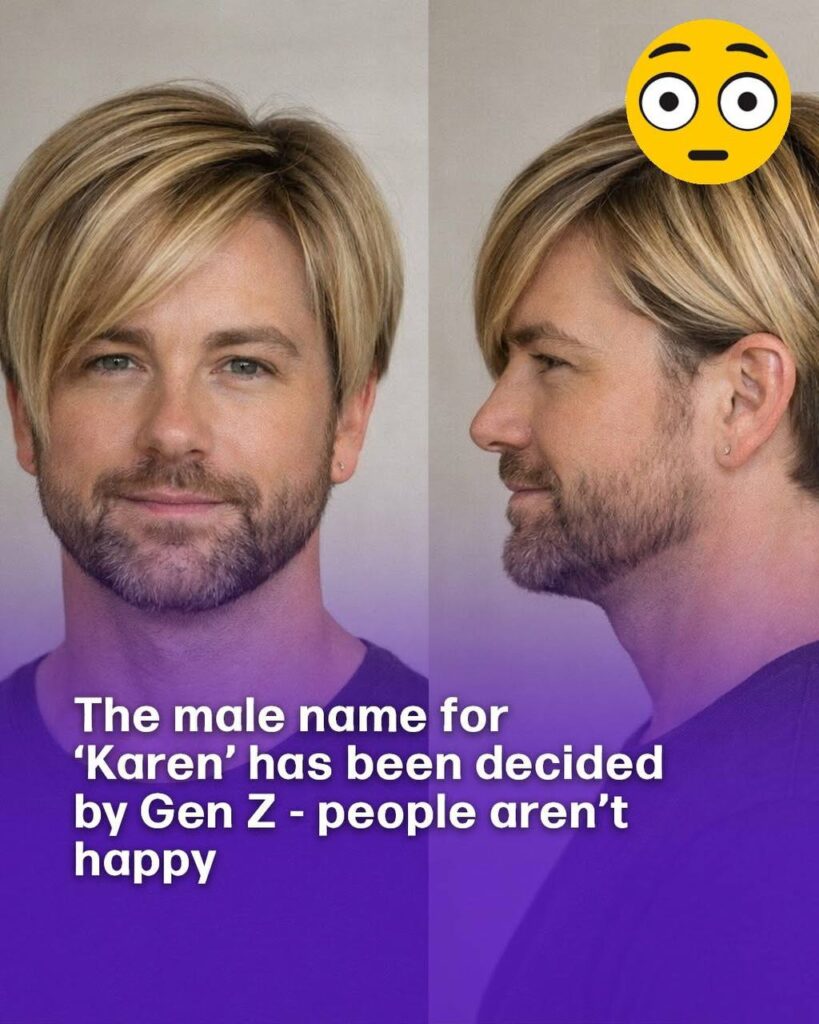
If you have spent any amount of time online over the past few years, you have probably seen the word “Karen” thrown around. It pops up in comment sections, viral videos, and memes, usually aimed at someone behaving badly in public.
The term has become shorthand for a certain kind of attitude. It is often used to describe middle aged women who are rude, entitled, or disrespectful, especially toward service workers or strangers they feel superior to.
Over time, people started attaching specific behaviors to the label. Things like demanding to speak to a manager, questioning who belongs in a neighborhood, or constantly reminding others that they are a paying customer became part of the stereotype.
The look was part of it too, at least at first. Social media leaned into the idea of a short haircut, chunky highlights, and oversized sunglasses, though that focus has slowly faded as the meaning shifted.
The original definition dates back to around 2018 on Reddit. Since then, the idea of what makes someone a Karen has become less about age or appearance and more about an overall vibe or way of acting.
Because of that shift, Gen Z has started using its own labels. They have already floated names like “Jessica” as their version of a Karen within their own age group, which naturally raised another question.
People began wondering what the male equivalent might be. While some say Karen can be gender neutral, men with similar behavior do not seem to get called out in the same way online.
Back in 2020, an assistant professor studying race and internet culture mentioned that names like “Greg” and “Terry” occasionally showed up in memes. One of the more common suggestions at the time was “Ken.”
That idea did not stick for long. In 2023, Ryan Gosling’s role as Ken in Barbie flipped the narrative, turning the name into something celebratory with talk of “Kenergy” and being “Kenough.”
More recently, a report looked at complaint behavior instead of memes. A review platform compiled data on which names left the most one star reviews, and one name stood out.
According to the data, “David” appeared more than any other. Davids left more one star reviews than people with any other name on the list.
The findings also challenged some assumptions. Most of the heavy complainers were men, and out of the top ten names, only one woman’s name appeared, coming in much lower on the list.
Another woman’s name did not show up until even further down the rankings. That suggested men were more likely to complain in general, at least within this particular set of data.
Still, whether “David” will actually replace Karen in internet culture is unclear. Karen is already deeply baked into memes, and it may take a long time for any new name to stick.